Relax your mind and body
Calm your mind, relax your body and sleep better
Practical, plain-English guides to stress, sleep and anxiety, and a gentle method called sophrology that you can learn with a trained sophrologist near you.
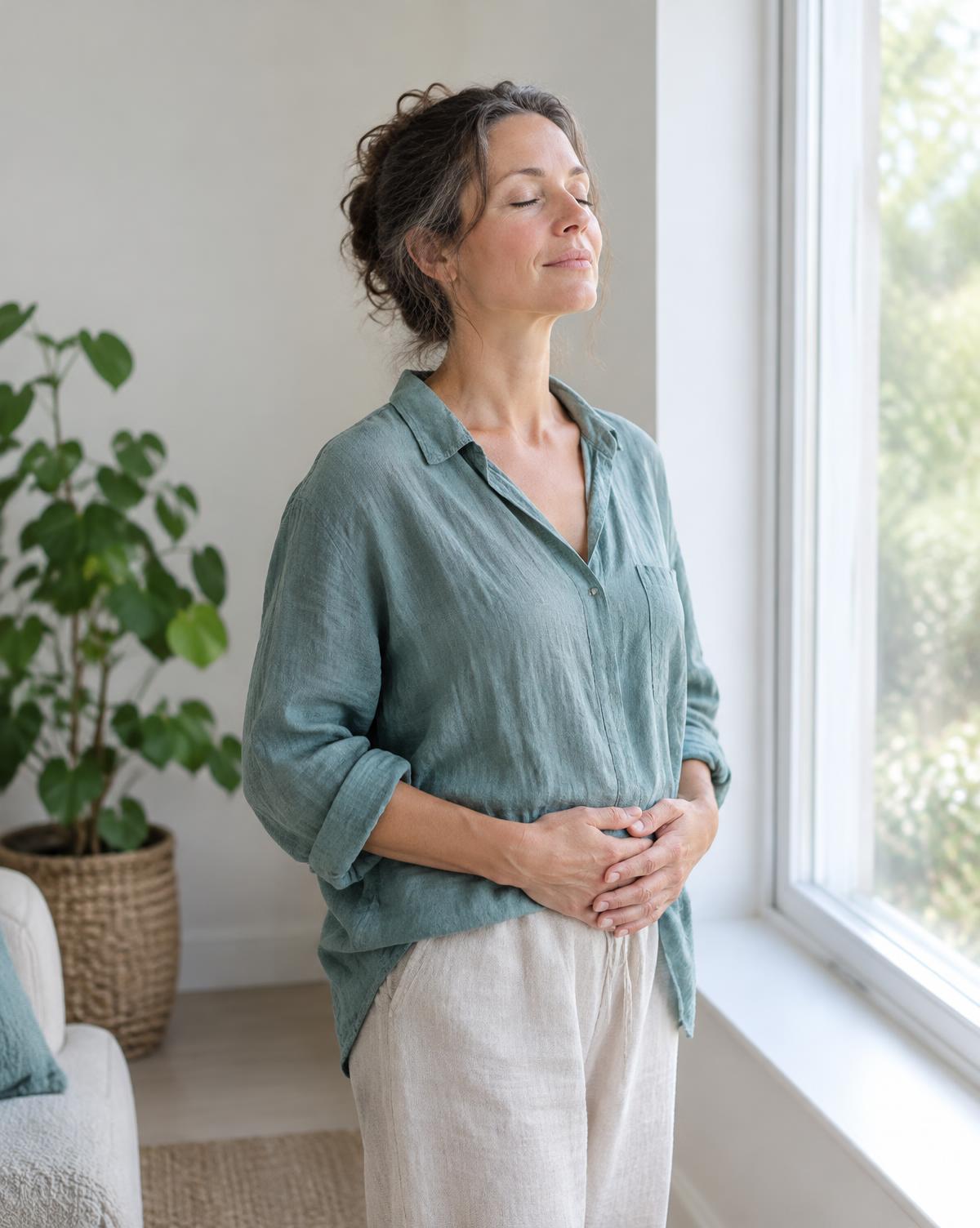
What do you need help with?
Choose a topic. Each one gathers simple, free guides you can try today.
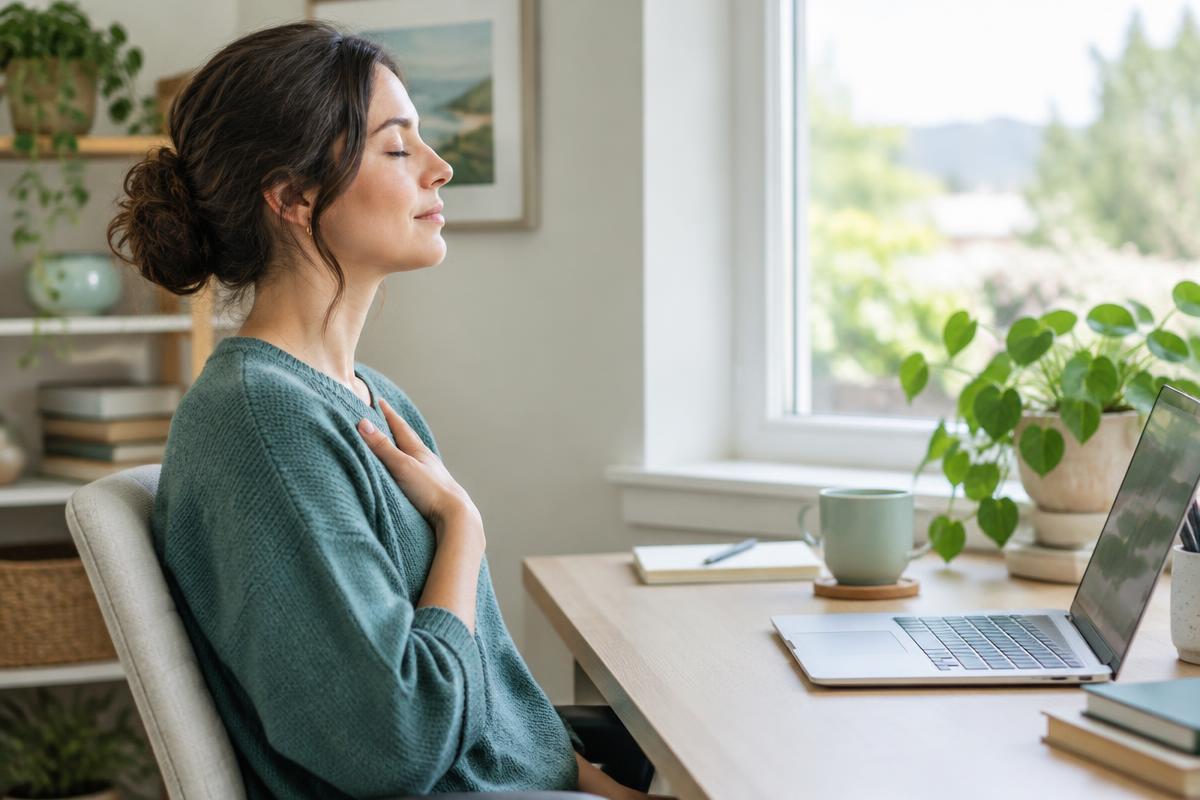

Try it now
One minute of calm
No sign-up and no equipment. Follow the circle, let your shoulders drop, and notice how you feel.
Ready?
Sit comfortably, let your shoulders drop, and follow the circle. It takes about a minute.
Latest articles
Practical reading on relaxing, sleeping better and managing stress.
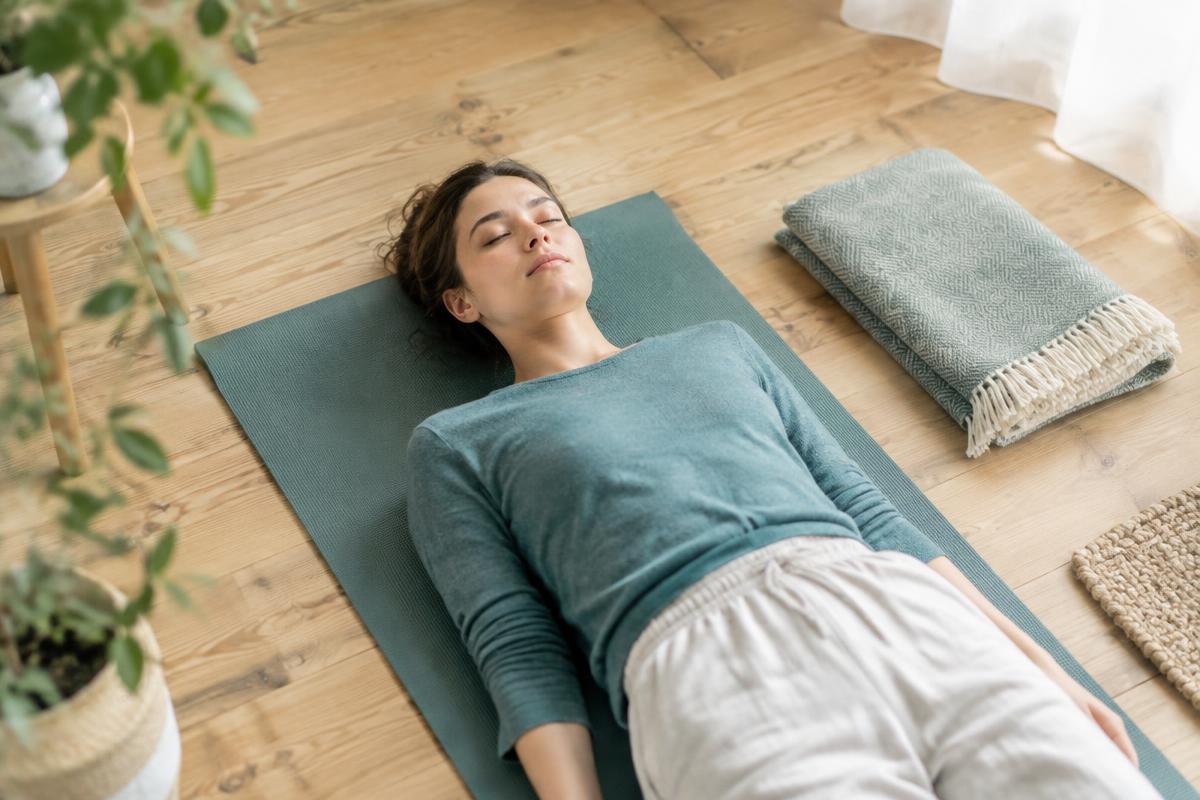
Plain-English guides
Clear, careful explanations of what sophrology is and what to expect.
Chosen, not just listed
Each area has a small number of places, so every sophrologist here has been picked.
In person or online
Find sophrologists who see clients face to face, by video call, or both.
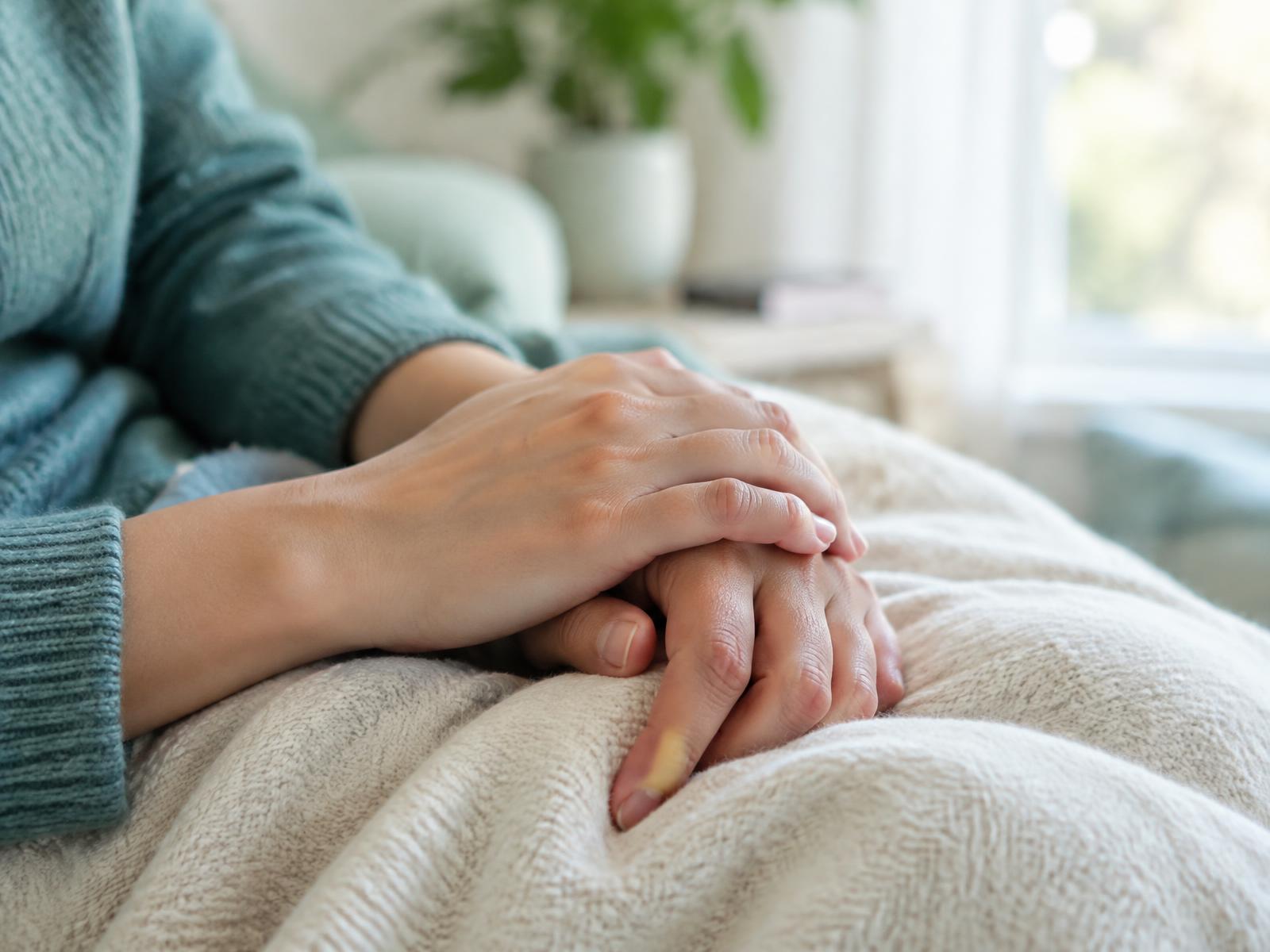
One method that can help: sophrology
Sophrology is a method of relaxation and personal development created in the 1960s by the neuropsychiatrist Alfonso Caycedo. It combines breathing, gentle movement, body awareness and visualisation.
You learn simple exercises in a session, then practise them at home. It is not a medical treatment, and it can sit alongside care from your GP.
- 1
Breathe
Slow, steady breathing settles your body.
- 2
Move
Small, gentle movements release tension.
- 3
Picture
A short visualisation helps you carry the calm with you.
- 4
Notice
You pause to notice what has changed.
A few minutes of calm can change a whole day
Sophrology exercises are short enough for a lunch break, a commute or the end of a long day. Learn them once, and they stay with you.
Read the guideSmall moments, a calmer day
You do not need an hour. Short exercises fit around the day you already have.
Morning
Set up the day
Three slow breaths and a gentle stretch before you pick up your phone.
Midday
Reset
Drop your shoulders and breathe out slowly between tasks or meetings.
Evening
Wind down
A few slow breaths and a calm picture in your mind to close the day.
What a session is like
Calm and low-key. You stay fully clothed, and sessions often last between 45 minutes and an hour.
- 1
You talk it through
The practitioner asks what you would like help with.
- 2
You try an exercise
Breathing, gentle movement and a short visualisation, seated or standing.
- 3
You practise at home
A few minutes a day helps the exercises become second nature.
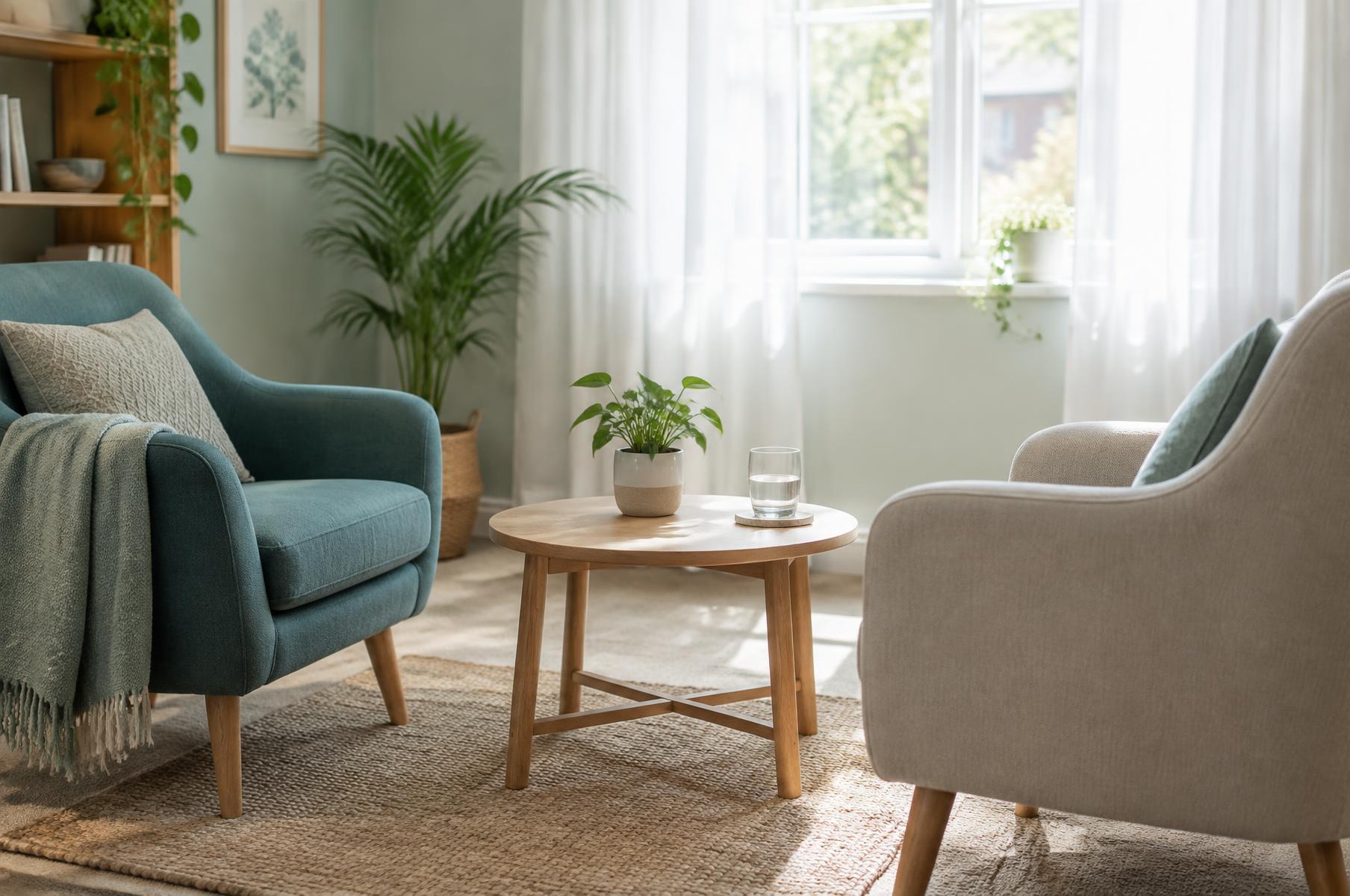
Read the sophrology guide
Plain-English guides, from what sophrology is to how to train as a sophrologist.
Common questions
Is sophrology safe?
It is gentle and non-invasive, and you stay in control throughout. If you have a medical or mental health condition, or you are pregnant, speak to your GP first and tell your practitioner.
Can I do sophrology online?
Yes. Sophrology works well over video calls, and many UK practitioners offer online sessions as well as sessions in person.
Is sophrology the same as meditation?
No, although they share some ideas. Sophrology uses more movement and follows a set sequence of exercises. You stay awake and aware, with your eyes usually closed.
Do I need to be fit or flexible?
No. The movements are small and slow, and they can be done seated.
Ready to feel a little calmer?
Find a sophrologist in your area, or start with the guide. Either way, the first step is small.
Are you a sophrologist?
Apply for one of the limited places in your area and get your own page on the site. Thinking of training? Our guide explains how.
This site gives general information only. It is not medical advice. If you are worried about your health, speak to your GP.